Resources
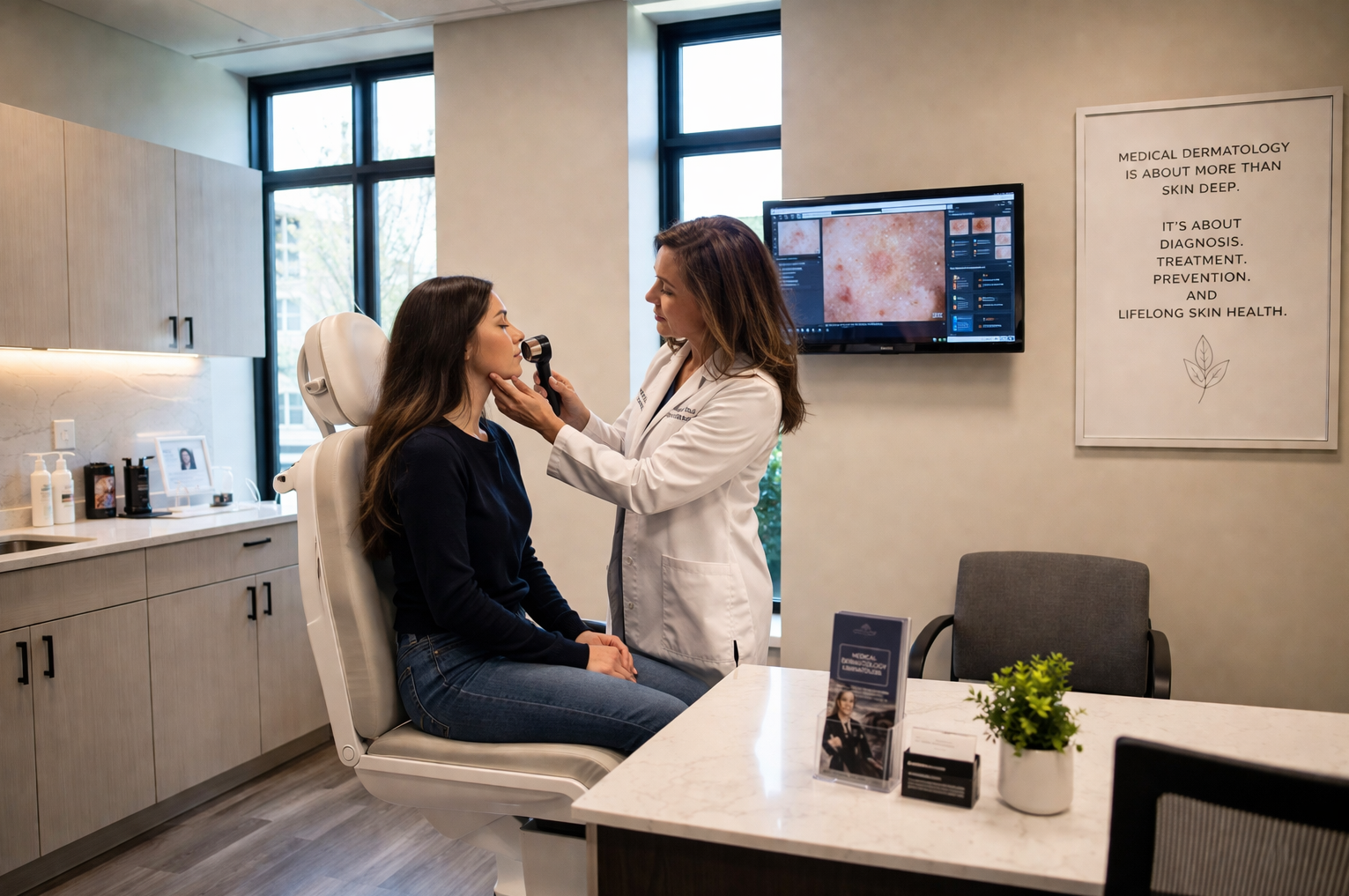
For years, skincare advice was dominated by beauty magazines, celebrities, and social media personalities promoting the latest “must-have” product. But today, consumers are becoming more informed, and more cautious. Instead of relying on trends, many are turning to a more trusted source for skincare guidance: board-certified dermatologists.
Medical dermatologists are quickly becoming the new skincare influencers, not because they chase trends, but because they offer something far more valuable—science-backed expertise, real treatment outcomes, and guidance rooted in skin health rather than product hype.
Consumers are more skeptical than ever of viral skincare trends. Endless product recommendations, sponsored posts, and conflicting advice have created confusion. Many people have tried products that promised dramatic results, only to experience irritation, breakouts, or wasted money.
As a result, people are seeking professionals who understand how skin truly functions.
Medical dermatologists specialize in diagnosing and treating conditions such as:
Unlike influencers who may recommend products based on sponsorships or personal experience, dermatologists evaluate skin through a medical lens.
Traditional influencers often focus on what is trending now. Medical dermatologists focus on what works long-term.
That distinction matters.
When dermatologists create content online—whether through blogs, videos, social media, or patient resources—they often explain:
This educational approach helps consumers make smarter decisions rather than impulse purchases.
Terms like retinoids, niacinamide, ceramides, mineral sunscreen, and barrier repair have entered mainstream conversations. Why? Because dermatologists helped bring science into skincare discussions.
Patients increasingly want to understand ingredients, not just packaging.
Medical dermatologists are uniquely positioned to explain:
This has elevated the overall conversation around skincare.
Skin is personal. Poor advice can lead to breakouts, scarring, pigmentation issues, or delayed diagnosis of serious conditions.
That is why trust is becoming the most important currency in skincare.
A dermatologist’s recommendations are often based on:
That level of credibility is difficult for general influencers to replicate.
Interestingly, social media itself helped create this shift.
Platforms like Instagram, TikTok, and YouTube gave dermatologists a direct way to educate the public without needing traditional media channels.
Now, a dermatologist can reach thousands (or millions) of people by explaining acne myths, sunscreen misconceptions, or anti-aging facts in a short video.
The result is a new kind of influence: expertise-driven influence.
When consumers follow dermatologists instead of trend-based influencers, they are more likely to:
That leads to better skin outcomes and more informed patients.
This trend also creates an opportunity for medical dermatology practices.
Patients increasingly research online before booking appointments. Practices that publish educational content, answer common skincare questions, and build trust digitally can stand out in a crowded market.
A practice website, blog, video library, and local online presence now play a major role in attracting new patients.
Today’s patient often meets a dermatologist online before they ever meet them in person.